Guest experience · Updated May 2026
How to automate villa guest messaging on WhatsApp
Why the first guest message almost always lands on WhatsApp, what's safe to automate, and how to do it without risking a ban or paying per seat.
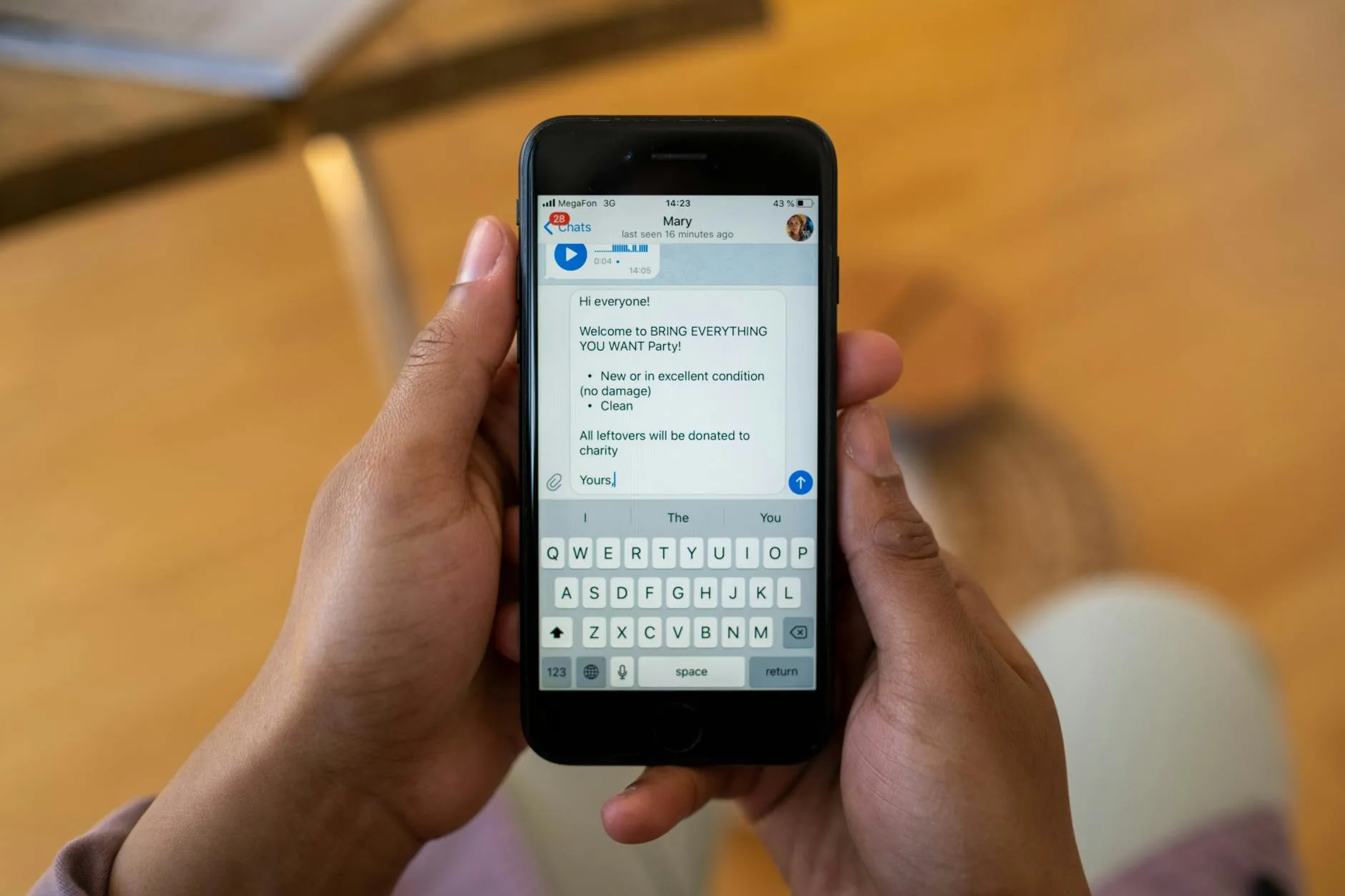
It’s nine in the evening in Berlin, which makes it three in the morning at your villa in Canggu. A guest who lands next week has just messaged: are you free to do an early check-in, and is the pool heated? Two doors down in the same chat list sits an Australian couple asking the same check-in question in different words, and above them, a French message you’ll need to translate before you can even read it.
None of these are hard questions. That’s the problem. They’re easy, they’re constant, and they arrive at every hour across three or four languages, and the one thing every guest remembers is how long you took to reply. Whoever answers fast feels in control of the place. The job isn’t to be cleverer. It’s to be there, in seconds, in their language, while you sleep.
Why the first message almost always lands on WhatsApp
Ask where a Bali guest first reaches out and the answer is rarely email. It’s WhatsApp. In Indonesia it’s not one app among many. It’s the default way people talk to a business, and your guests, local and foreign alike, already live in it.
Around 90.8% of Indonesian internet users aged 16+ use WhatsApp. Source: We Are Social, Q2 2025.
So the channel where speed matters most is also the one most owners run by hand, on a personal phone, between everything else they’re doing. That’s the gap. A guest who messages on the platform they trust, then waits four hours for a reply, has already started messaging the next villa. The first message lands on WhatsApp, which means the first impression does too.
What’s safe to automate, and what isn’t
Here’s the line that matters, and it’s simpler than the tools make it sound. Automate the routine. Route the real to a human.
Plenty of what fills your WhatsApp is genuinely routine: the same handful of things, asked over and over, where a fast accurate answer is all anyone wants:
- An instant acknowledgement, in the guest’s own language, so nobody sits staring at a single grey tick at 3am.
- The repeat FAQs: wifi, pool, parking, the nearest beach, whether the kitchen’s stocked, how far to the warung.
- Check-in details: directions, the gate code, arrival window, what to do if the flight’s late.
- Booking confirmations and reminders: the day before arrival, the morning of check-out, the small nudges that otherwise eat your evening.
These don’t need you. They need to be right and they need to be quick. A system answers them the same way at noon and at midnight, and it answers the French message in French without you reaching for a translation app.
What must reach a human is everything with judgement or money in it. A complaint. A request to move dates. A haggle over the rate. A guest who’s upset about something at the property. Get one of those wrong with a confident automated guess and you’ve turned a small problem into a review. So the rule holds both ways: the system answers the routine instantly, and the moment a message needs a person, it hands the whole thread straight to you. It escalates rather than guesses. That honesty is the point: a tool that pretends to handle the hard ones is worse than no tool at all.
The official Business API versus a bot on your phone
This is where good intentions get villas banned, so it’s worth being plain about it.
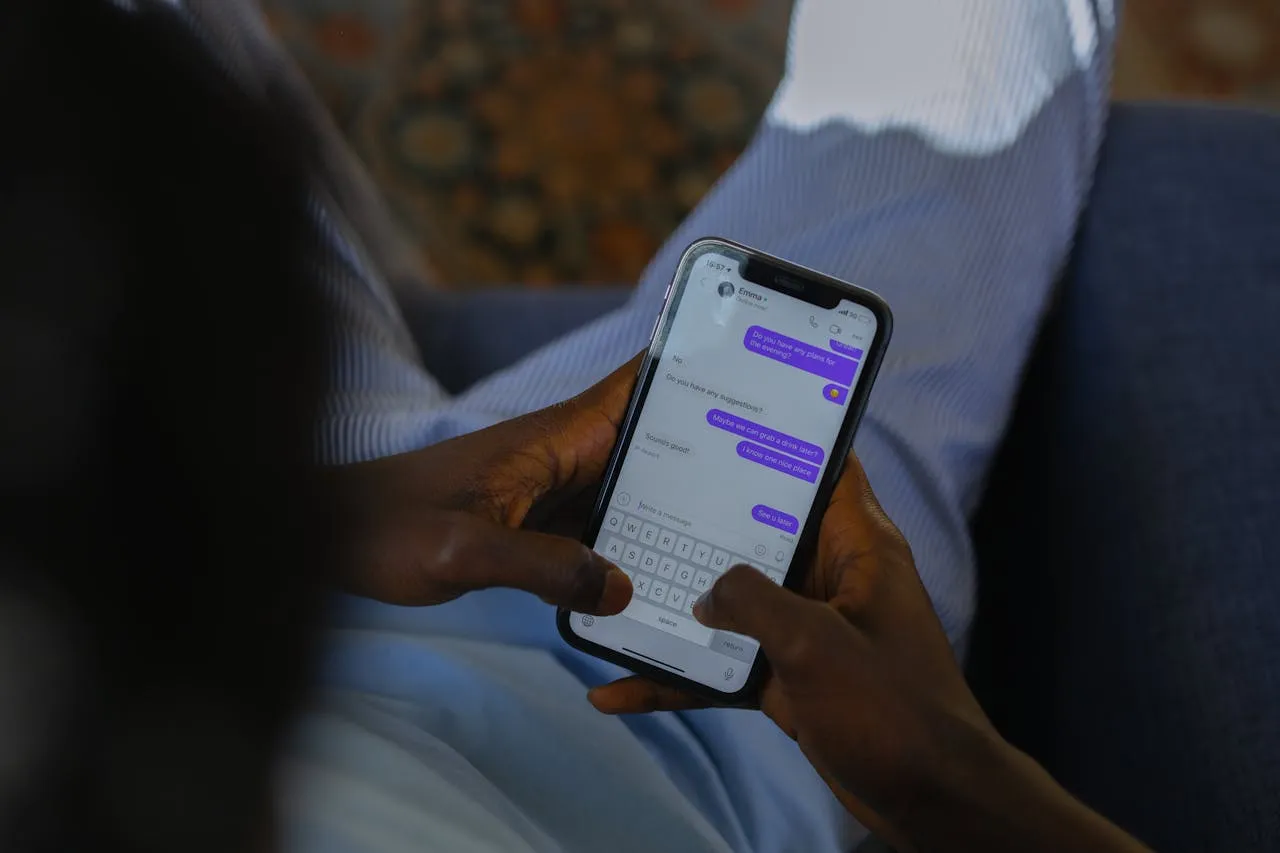
There are two ways to put automation on WhatsApp, and only one is safe. The right way is the official WhatsApp Business API, reached through a Business Solution Provider, a BSP, the licensed middleman WhatsApp approves to connect businesses to the platform. It’s the channel built for exactly this: automated replies, templated confirmations, a number that’s allowed to do all of it at scale.
The wrong way is an unofficial bot bolted onto a personal number or the free Business app, the kind sold as a quick hack. It works until it doesn’t. WhatsApp’s terms don’t permit it, and the number can be flagged and banned without warning. That’s not a slow degrade you’ll notice coming. It’s your guest line going dark mid-season, taking your reviews, your repeat guests, and every booking conversation in progress with it. For the channel your business runs on, the back door isn’t a shortcut worth the risk. Use the front door.
Speed is the booking, not just the courtesy
It’s tempting to file fast replies under “good manners.” They’re worth more than that. The first villa to answer a live inquiry is usually the one that gets the booking, because a guest comparing four properties rewards the one that felt responsive and certain. We go deeper on this in our piece on why speed to lead wins the booking. The short version is that minutes, not hours, decide who converts.
There’s a language dimension to this too. Most guests, given the choice, would rather be served in their own tongue, and a reply that arrives instantly in German or French or Bahasa reads as care, not just competence.
Across industries, most customers prefer to be served in their own language. Source: CSA Research, 2020.
Slow, monolingual, and manual is a booking quietly lost. Fast, multilingual, and automatic is a booking quietly won, and the difference compounds, because the same speed that wins the stay tends to win the review that earns the next one.
You don’t need expensive per-seat software
Go looking for this and you hit a wall of shared-inbox apps that charge per agent seat. The logic is backwards: you pay more the moment you add a cleaner, a manager, or a second property to the account. The price grows with your team, not with your bookings.
You don’t need that. The work itself, instant multilingual replies, the FAQ answers, check-in info, confirmations, reminders, clean handover to a person, is a built flow, not a subscription with a login counter. A guest-messaging system does the job on the official API and runs the same whether one person watches it or five. You’re paying for the machine once, not renting a seat for everyone who touches it.
That’s the quiet saving most operators miss. The flashy line is “answers in seconds.” The durable one is “and it doesn’t bill you more for hiring help.”
What this looks like for your villa
Put together, the system is unglamorous and that’s exactly why it works. A guest messages your WhatsApp at any hour. They get an instant, correct reply in their language. The routine questions get handled end to end. The booking confirmation, the check-in details, the day-before reminder all go out on their own. And the one message that actually needs you arrives on your phone already translated, with the full thread, flagged as worth your time, instead of buried under twenty that weren’t.
You stop being the night shift for your own inbox. The guest never waits. And nothing important gets a guess where it needed a person.
If WhatsApp is where your guests already are, and in Bali it is, the place to start is making that channel answer for itself. See how we set it up in WhatsApp automation for Bali villas, or step back to the bigger picture in our guide to villa management in Bali. The first message will land on WhatsApp tonight. The only question is whether something’s ready to catch it.
Questions
- Is it safe to automate my villa's WhatsApp?
- Yes, if you do it through the official WhatsApp Business API, provided by a Business Solution Provider. That's the channel WhatsApp built for businesses to send automated and templated messages. The risk comes from bolting an unofficial bot onto a personal or app-based number, which breaks WhatsApp's terms and can get the number banned. Use the front door.
- Will guests know they're talking to an automation?
- They'll get an instant, polite reply in their own language, then a clear handover to a person for anything that needs judgement. Good automation doesn't pretend to be human for the hard parts. It answers the routine in seconds and routes the real questions to you, so the guest never waits and never gets a wrong guess.
- Do I need expensive per-seat software for this?
- No. Most guest-messaging tools charge per agent seat, which punishes you for adding staff. A built flow on the WhatsApp Business API does the same job, instant multilingual replies, FAQs, check-in info, reminders, without a monthly fee that scales with headcount. You pay for the system once, not per person who logs in.
- What should never be automated?
- Anything that needs judgement or carries money or risk: a complaint, a special request, a date change, a haggle over price, an awkward situation at the property. Automation should recognise those on sight and hand them straight to a human, with the full thread attached. Speed on the routine; a person on the real.
Want this running for you?
We build and run the systems behind everything above (messaging, reporting, reviews, parity), so the work happens whether you are at your desk or asleep.
Book a 20-minute call