Guest experience · Updated May 2026
Speed to lead: the inquiry you answer first is the one that books
The first operator to reply usually wins the booking. What the speed-to-lead research shows, why it's brutal for remote operators, and how to be fast without living on your phone.
There’s a quiet rule in hospitality that most operators learn the expensive way: the guest doesn’t book the best villa. They book the one that answers first. Speed isn’t a nicety on top of a good property. For a large share of inquiries, it is the competitive edge.
The first reply usually wins
Picture a typical inquiry. Someone’s planning a trip, they’ve got four tabs open, and they message all four properties roughly at once. The one that replies, clearly, in their language, while they’re still in planning mode, gets the conversation. The other three are now trying to re-open a chat that’s already moving elsewhere. Same villa, same price, completely different outcome, decided by minutes.
The evidence, and where it comes from
The hard numbers on this come from outside hospitality, and it’s worth being honest about that. The canonical study analysed millions of sales leads and found that firms responding within five minutes were far more likely to make contact, and around 21 times more likely to qualify the lead, than firms that waited just 30 minutes. A separate study in the same vein found that a large majority of buyers end up purchasing from the company that responds first.
These are business-to-business sales figures, not hotel data. Treat them as the canonical evidence on the principle of speed-to-lead, not as a hospitality benchmark. But the principle transfers cleanly, because the underlying behaviour is human: attention is fleeting, and the first credible answer captures it.
Speed-to-lead figures: Oldroyd et al., "The Short Life of Online Sales Leads," Harvard Business Review, 2011, and the separate InsideSales.com Lead Response Management Study, both cross-industry (B2B) analogues, not hospitality data. Use them as evidence on the principle, not as a hotel benchmark.
Why this is brutal for remote operators
If speed wins, distance is the enemy. The inquiry that decides where a guest books arrives at 11pm local time, which might be your 3am. It arrives in a language you may not read. And it often arrives on the same phone you use for everything else, so the message that’s worth thousands sits next to a group chat about dinner.
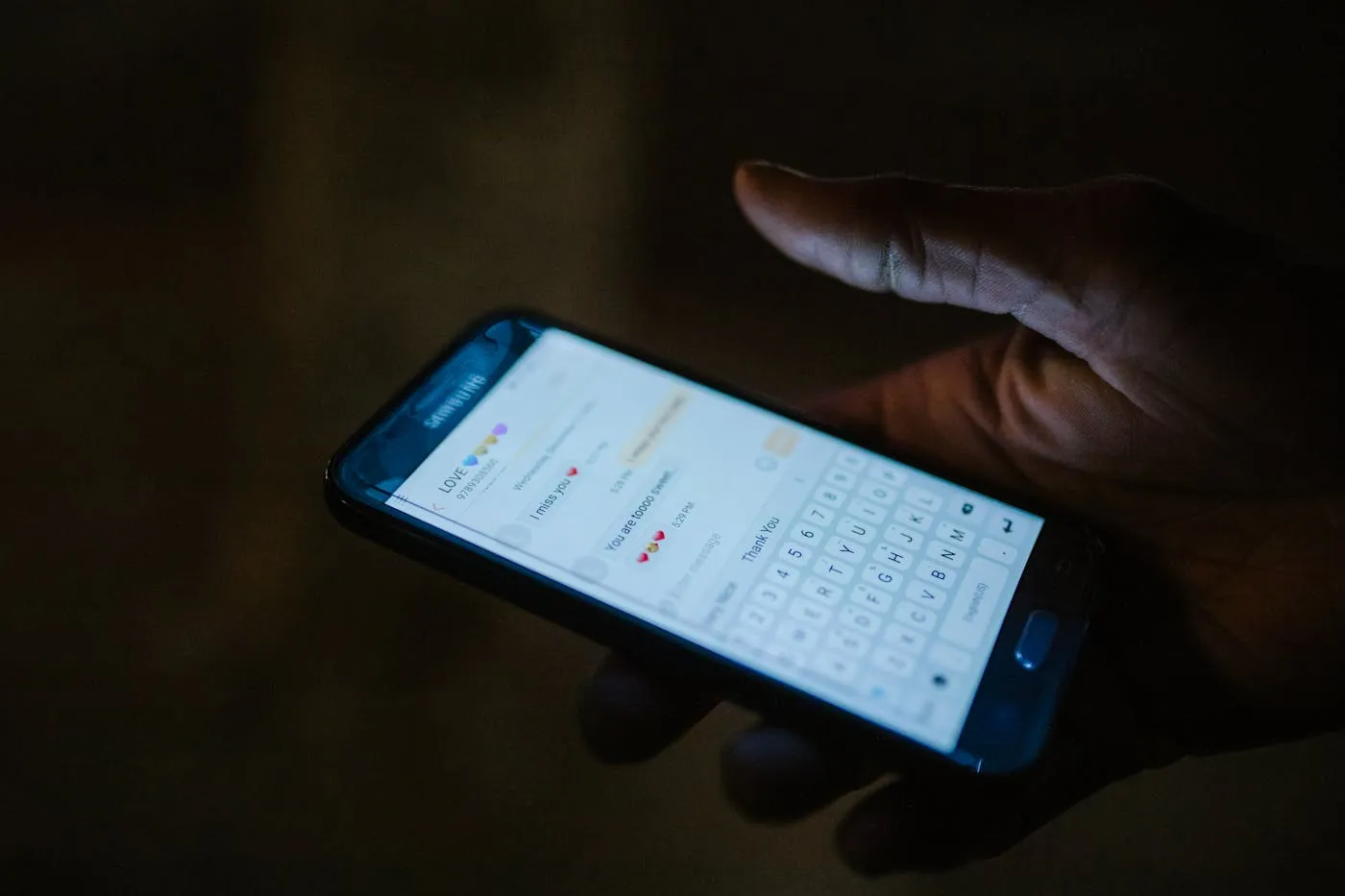
It gets worse before it gets better: in travel, a large majority of started bookings are abandoned, and the natural window to re-engage someone closes fast, typically within a day. Miss the first reply and you’re not just late; you’re often too late.
Hospitality messaging open rates of 71–93% on WhatsApp, and booking-abandonment in the 80%+ range, are vendor-published hospitality benchmarks (HiJiffy, 2025; Revinate, 2025), directional, not guarantees.
What “fast” looks like without living on your phone
You cannot solve this with willpower or a faster thumb. No human answers every inquiry in every language within a minute, around the clock, forever. What you can do is split the job:
- Answer the routine instantly. Availability, rates, directions, check-in details, the same handful of questions, every time, go out in seconds, in the guest’s own language.
- Route the real to a human. Anything that looks like a genuine booking, a special request, or a complaint reaches you, with the context already gathered.
That split is the whole game. It gives you sub-minute speed on the easy 80%, which is where most bookings are won or lost, while keeping your attention on the decisions that actually need a person.
The handoff
Done well, this is invisible to the guest. They ask a question at midnight, they get a clear, fluent answer at 12:01, and a real conversation is already underway by the time you wake up. That’s what automated guest messaging is for: instant, multilingual answers on the routine, with real intent handed straight to you.
For high-ticket, slow-burning sales inquiries, where the decision takes months and arrives in several languages, the same principle drives an entire pipeline; we go deeper on that for villa sales agencies. And if you’re carrying this across a whole portfolio, see how it fits together for property managers and in our guide to managing a villa remotely.
Questions
- How fast should I respond to a booking inquiry?
- As close to instant as you can manage: minutes, not hours. Cross-industry research on sales leads found that responding within five minutes made firms dramatically more likely to make contact and qualify the lead than waiting even half an hour. For travel inquiries, where the guest is often messaging several properties at once, the first useful reply frequently wins.
- Does a slow reply really lose the booking?
- Often, yes. Most inquiries go to more than one property, and a large share of would-be bookings are abandoned. If a competitor answers the guest's question while you're asleep, you're competing to re-open a conversation that's already moved on, a much harder position than simply being first.
- How can I respond instantly without answering messages all night?
- Automate the routine and route the real. The repetitive questions, availability, rates, directions, can be answered instantly in the guest's language, while anything that looks like a genuine booking is handed to a human. You get speed on the easy 80% and your attention stays on the decisions.
Want this running for you?
We build and run the systems behind everything above (messaging, reporting, reviews, parity), so the work happens whether you are at your desk or asleep.
Book a 20-minute call