
Primary 4 Maths Exam Papers: How to Prepare Your Child
By Matthew Downie, parent and founder of Beamli · 3 September 2026
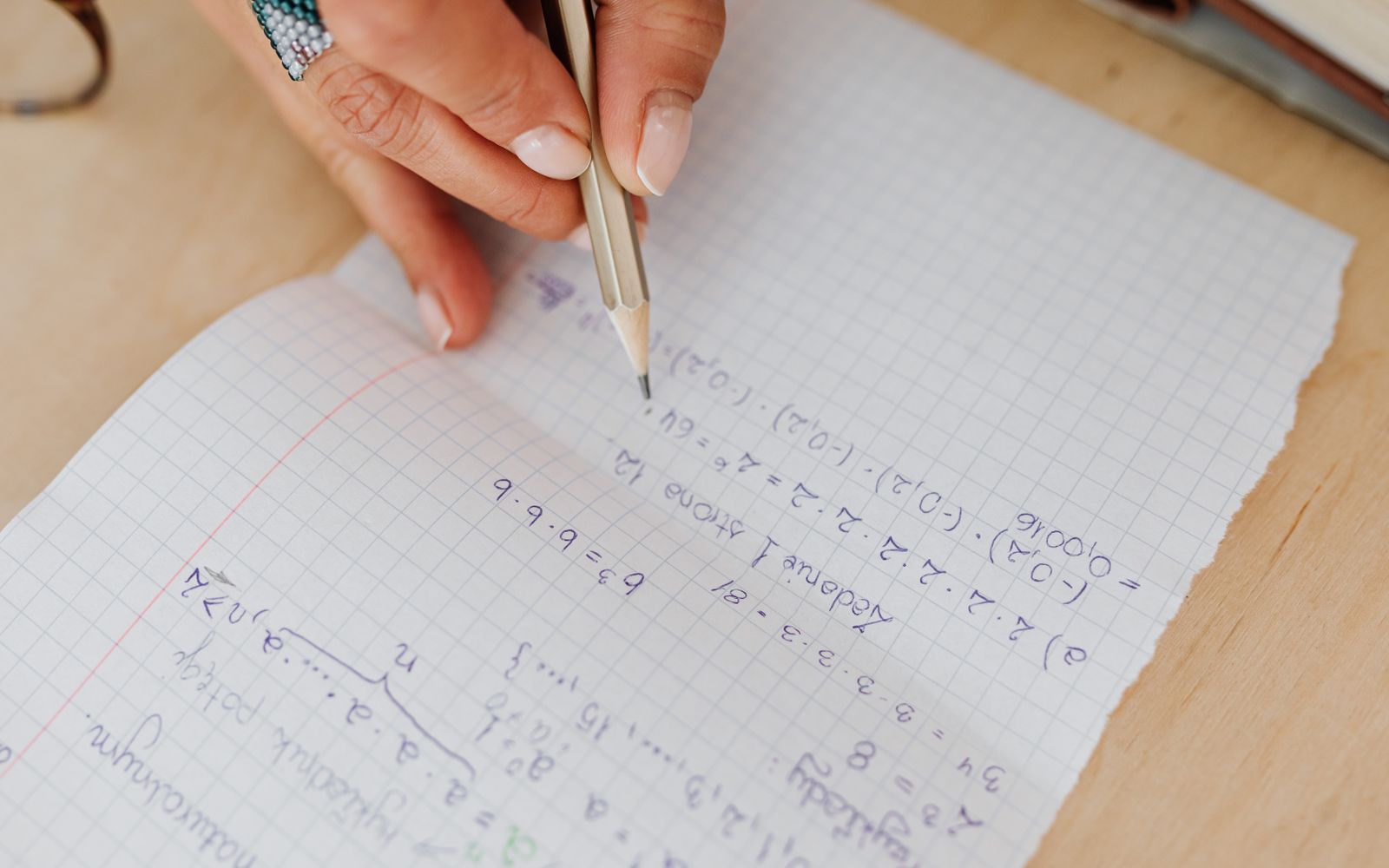
The best way to prepare your child for Primary 4 maths exams is to use past papers as a diagnostic tool, not just a test. Focus on one weak topic at a time, practise under timed conditions, and use the results to guide your next steps. This approach turns a daunting pile of papers into a clear action plan.
Why use past exam papers for Primary 4 maths?
Past papers show your child exactly what the exam looks like: the format, the types of questions, and the level of difficulty. Working through them helps your child get comfortable with the layout and the wording, so there are fewer surprises on the day. They also reveal which topics your child finds tricky. If you notice the same kind of mistake on three different papers, that topic needs extra attention before the real exam. Use papers to build familiarity and to spot gaps, not to cram everything at once.
- Familiarise your child with question styles and instructions.
- Practise pacing and time management under realistic conditions.
- Identify specific topics where your child gets stuck more than once.
Where to find Primary 4 maths exam papers with answers
Free collections of past-year papers are available online in PDF format, often with answer keys. Some sites offer papers from recent years, such as 2022, 2023 and 2024. You can also find paid platforms that provide curated sets with worked solutions, which can save you time checking answers. Many international schools release their own past papers or sample papers for Cambridge Primary, IB PYP and Singapore Maths curricula. For Cambridge Primary, look for papers labelled 'Cambridge Primary Checkpoint' or 'Cambridge Primary Progression Test' to match the exact format. Check your child's school learning portal for past papers too.
- Free downloadable PDFs from school websites and education portals.
- Paid sites with annotated answer keys and topic indexes.
- School-provided sample papers or past exam booklets.
How to help your child practise under exam conditions
Set a timer for the length of the actual exam, about 90 minutes for many Primary 4 maths papers. Find a quiet space with no interruptions, and tell your child to work through the paper without help. After the time is up, mark the paper together, not as a judgment but as a learning step. The goal is to simulate the pressure and pacing of the real exam, so your child learns to manage their time. Do this once a week at first, then increase to twice a week closer to the exam date.
What if your child keeps making the same mistakes?
When the same error appears across several papers, do not just move on to the next paper. Allocate more time to that specific topic. Use targeted worksheets or a different approach, such as drawing models for fractions or using manipulatives for place value. For example, if your child consistently misplaces decimal points in multiplication, use grid method worksheets to reinforce place value. Keep a simple log of the mistakes and the correct method, and review it together before the next practice session. This focused revision is far more effective than doing ten full papers without addressing the underlying gaps.
How to combine worksheets and exam papers for best results
Worksheets are ideal for building fluency in one skill at a time, like multiplication of decimals or solving word problems with bar models. Use them early in the revision period to solidify basics. Then introduce exam papers to apply those skills in a mixed context. This two-step method helps your child avoid the common trap of being able to do isolated sums but not handling a full paper. For more on spotting gaps, see our post on finding learning gaps in schoolwork. For curriculum-specific help, see our Cambridge Primary maths support guide. If your child moves to Primary 5 next year, our Primary 5 maths help guide can help you prepare.
When to start using exam papers for Primary 4 maths
Begin about four to six weeks before the exam. Starting too early can lead to burnout and make the papers feel stale. Use one paper each week for the first three weeks, then increase to two per week in the final two weeks. Always leave a few days between papers for review and targeted practice. This schedule keeps the pressure manageable and gives you time to act on the information the papers provide.
Common questions from parents
Where can I download free Primary 4 maths exam papers?
Many education websites offer free downloads of past-year papers in PDF format. Search for "Primary 4 maths exam papers pdf" and you will find options from recent years, often with answer keys. Check that the papers match your child's curriculum, such as Cambridge Primary or Singapore Maths.
What if my child scores poorly on a practice paper?
Do not worry about the score. Instead, look at which questions they got wrong and why. Was it a simple slip, or a misunderstanding of the topic? Use that information to choose one or two topics to revisit before the next paper. A low score is useful data, not a failure.
How do I know if the papers match my child's curriculum?
Look at the paper's source or description. Many sites label papers by curriculum, such as Cambridge Primary, IB PYP or Singapore Maths. If you are unsure, compare a few questions to your child's textbook or class notes. The topics and question styles should look familiar.
Should I use the same paper more than once?
Yes, with a gap of at least two weeks. The second time through, your child should aim to complete it faster or with fewer mistakes. This is a good way to build confidence and reinforce correct methods. Just be careful not to overuse a single paper, as familiarity can mask real gaps.
How many papers should my child do per week?
Start with one paper per week. In the final two weeks before the exam, you can increase to two papers per week, but always leave time for review and targeted practice on weaker topics. Quality of review matters more than quantity of papers.
What if my child runs out of time during practice?
Note which sections took the longest. Often, children spend too much time on difficult questions. Teach them to skip a question and come back to it later. Practise with a timer regularly to build their sense of pacing. Running out of time in practice is a good lesson, because it can be fixed before the real exam.
Get your free first study guide at Beamli Scholars and see how personalised practice can help your child improve exactly where they need it most.
Beamli turns your child's own schoolwork into a personalised study guide, flashcards and a marked practice worksheet. Your first guide is free: see how it works.