
Number worksheets for kindergarten
By Matthew Downie, parent and founder of Beamli · 1 October 2026
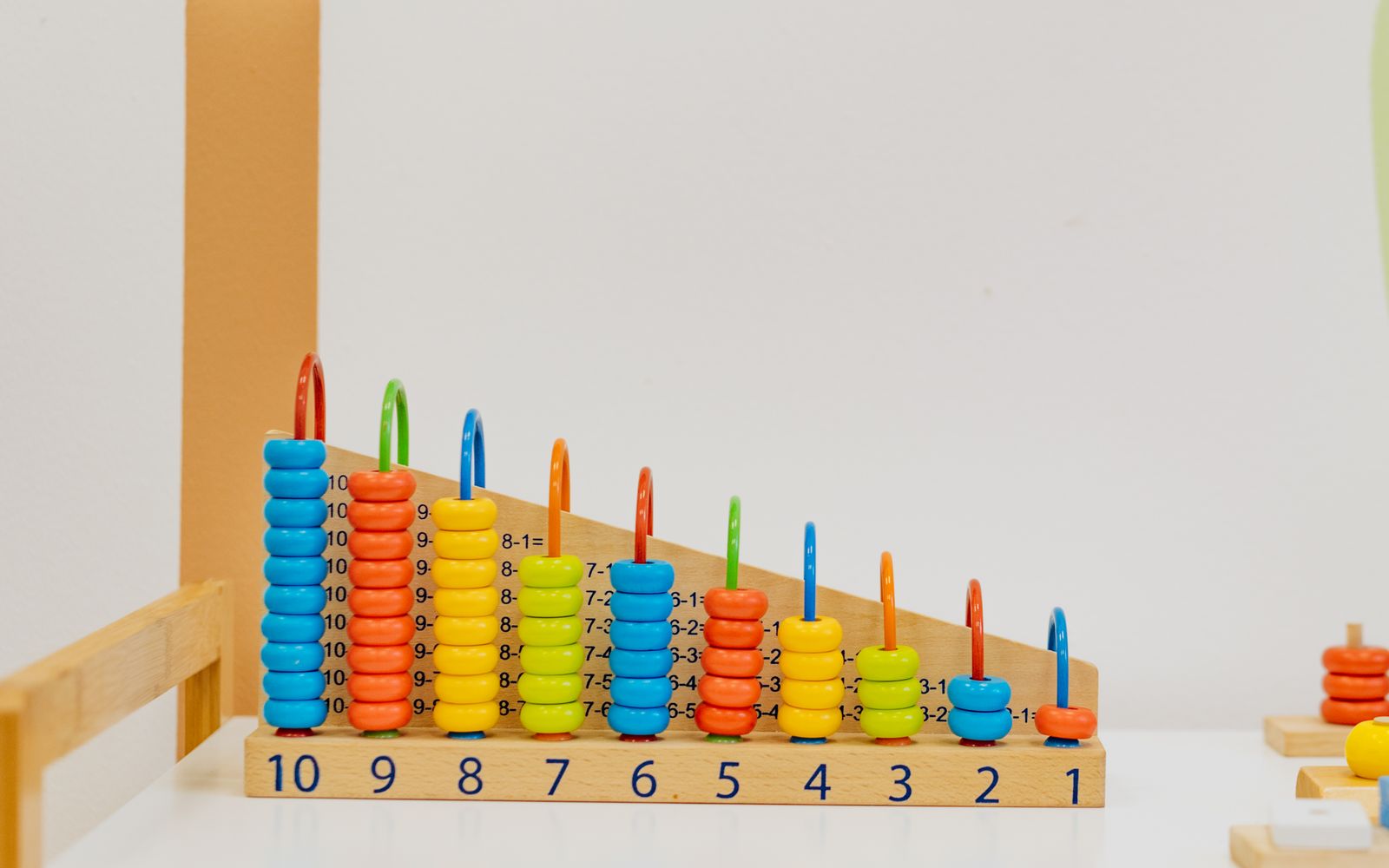
Free number worksheets for kindergarten give your child structured practice recognising numbers 1 to 20, but they work best when you adapt them to your child's exact level. This guide shows simple activities to try, plus how to add challenge or extra support so every child makes progress.
Why do number recognition worksheets matter for my child in kindergarten?
A child can recite numbers in order but struggle to match the spoken word to the written symbol. They might confuse 6 and 9, or 12 and 21. They might count the same object twice when they touch it. Without solid number recognition, later maths concepts like addition and place value become harder.
Worksheets show you what your child actually knows. When you sit together and watch them work, you can see exactly where they hesitate or guess. That moment of confusion is the starting point for real learning. The worksheet is just the tool that makes the error visible.
What should a good number worksheet include?
A useful kindergarten worksheet does more than ask a child to colour a numeral. Look for pages that show each number in at least four forms: the digit, the written word, a ten-frame, and a group of objects. For the number 14, the page should show 14, the word fourteen, a ten-frame with 10 filled and 4 empty, and 14 dots.
Tally marks and dice faces are useful extras, but avoid cramming them all on one page. The font should be plain, and each row should have one traceable line and one blank line. Pages with more than 10 problems overwhelm a 5-year-old, so trim the sheet if you need to.
How can I use a free worksheet to check where my child is stuck?
Print one worksheet that covers numbers 1 to 10 and ask your child to complete it without help. Watch which numbers they hesitate on, reverse, or skip. A child who writes 2 backwards needs more practice with that shape. A child who counts objects but says the wrong number needs help with one-to-one correspondence: one tap, one number, in order.
You can also run a number hunt with 20 index cards. Write one number from 1 to 20 on each card, shuffle them, then call out 7, 13, and 19 and ask your child to pick the right card. This reveals gaps a single worksheet can miss. Our guide to finding learning gaps in schoolwork explains how to turn those errors into a plan.
What if my child finds the worksheet too easy or too hard?
If your child finishes a worksheet in under four minutes with no errors, move up to numbers 1 to 50 or to pages that combine number recognition with addition and subtraction up to 10. For a child who struggles, go back to numbers 1 to 5. Use physical counters, buttons, or fingers alongside the printed page.
A set of worksheets, one number each, with ten-frames, dominoes, and tally marks builds confidence without overwhelming. Change only one thing at a time. If you increase the numbers, keep the layout the same; if you change the format, keep the numbers the same. Then you can see exactly what is causing the difficulty.
How do free worksheets compare to a tool like Beamli?
Free worksheets have their place, but they are static. Every child gets the same page, no matter what they already know. Beamli starts from photos of your child's own schoolwork: worksheets, textbook pages, and notes. It turns those into personalised study guides, flashcards, and AI-marked practice worksheets, and it diagnoses where your child is stuck and why.
The level adapts to your child's curriculum, including Cambridge Primary, IB PYP, Singapore Maths, and the Australian Curriculum. A free worksheet can show you a problem, but Beamli gives you targeted next steps. To see the ideas in action, read our kindergarten worksheet guide and our guide to finding learning gaps. The practice your child sees comes from their own errors, not from a generic sheet.
Common questions from parents
How many numbers should a child in kindergarten recognise?
Cambridge Primary Stage 1 covers reading and writing numbers up to 20. If your child is in IB PYP, ask your school for its number scope and sequence, because PYP expectations vary. By the end of the school year, being confident with numbers 1 to 20 is a sensible target for a child in kindergarten.
Can I use the same worksheet every day?
Repeating the same worksheet encourages rote memory rather than real understanding. Keep the numbers the same but change the format each day: Monday a ten-frame sheet, Tuesday a dice-dot sheet, Wednesday a tally-mark sheet. This keeps the same goal while giving the practice a fresh look.
My child hates worksheets. What should I do?
Turn the worksheet into a timed game: put five problems on the page, start a timer, and let your child choose a sticker when they finish. You can also do the worksheet together with a teddy bear taking turns. If they refuse after two minutes, stop and come back later.
Where can I find free printable number worksheets for kindergarten?
Look for PDF packs that cover numbers 1 to 20 and include tracing, writing, and counting activities. Check that each page shows the digit, the written word, and a visual quantity such as ten-frames or dice dots, not just rows of digits to trace. Full packs may require an account or subscription, so check the sample pages before you sign up.
How do I know if my child is behind?
If your child cannot recognise numbers 1 to 10 after several months of regular practice, or still mixes up 6 and 9 after a term of focused work, talk to their teacher, who knows your child's typical patterns and can suggest what to do next. This is general information, not medical or educational-psychology advice. Talk to your school or a qualified professional about your own child.
Get your free first study guide and see how Beamli can personalise number practice for your child.
Beamli turns your child's own schoolwork into a personalised study guide, flashcards and a marked practice worksheet. Your first guide is free: see how it works.