
Free Math Worksheets for Kindergarten: Fun Activities
By Matthew Downie, parent and founder of Beamli · 31 August 2026
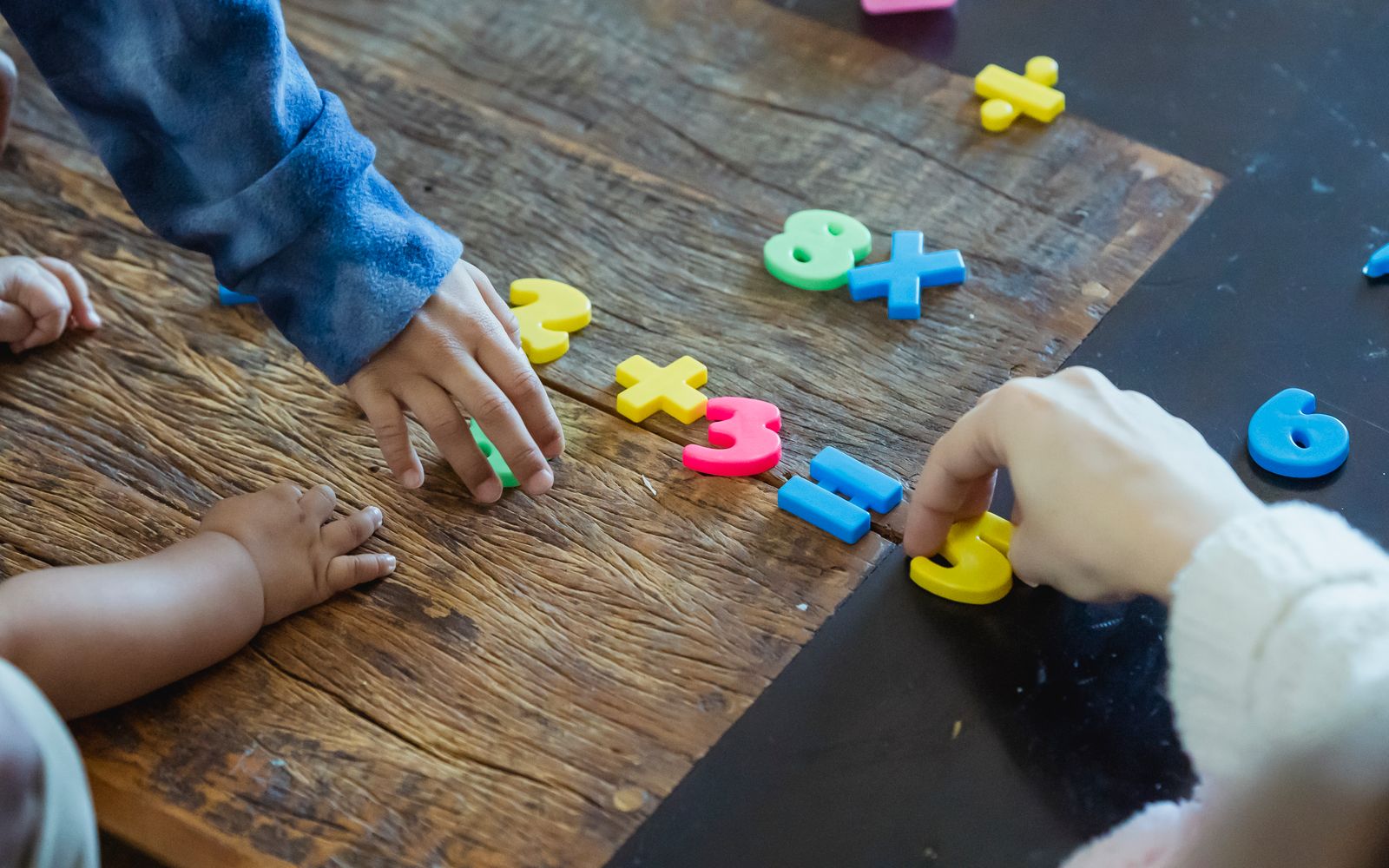
You want free, printable kindergarten math worksheets that actually help your child learn. The key is to choose activities that match what they are learning at school, build number sense through repetition, and feel like a game rather than a chore. Here is how to find the right ones and use them effectively.
What maths skills should my kindergartener be working on?
By the time children enter kindergarten, most already recognise basic numbers and shapes (NCES, 1998). Over the year, they build on that foundation. The typical curriculum covers counting objects up to 20, number recognition up to 10 (or 20), simple addition and subtraction with small numbers, identifying patterns, sorting objects by size or colour, and basic measurement (longer/shorter, heavier/lighter). Some schools also introduce money names and coin values. Knowing what your child is expected to learn helps you pick worksheets that fit their current level, not just their age.
Where can I find free printable worksheets for each skill?
General websites like K5 Learning and Canva offer free worksheet templates for counting, patterns, measurement, money, and graphing. Teachers Pay Teachers (TPT) also has a huge library of free kindergarten math downloads. These are great for one-off practice. But because they are generic, they may not exactly match your child's school curriculum or the topics they are currently struggling with. For example, a worksheet on counting to 10 might be too easy if your child is already adding, or too hard if they haven't mastered one-to-one correspondence. For a curriculum-aligned option, check out Beamli's guide on kindergarten core skills. A more personalised approach, like the one Beamli offers, adapts to your child's actual schoolwork and weak spots.
How do I know if a worksheet is right for my child?
Look at the worksheet's focus. Does it target a single skill (like counting to 10) or a mix? Start with the skill your child is currently learning at school. If they are working on addition within 5, find worksheets that repeat that exact operation in different formats. Check the visual layout: too many problems on one page can overwhelm a kindergartener. Aim for 5 to 10 problems per page with clear pictures. Also, consider whether the worksheet allows for independence. If your child can complete it without constant help, it's likely at the right level. If they get stuck after every question, the skill gap is too wide and you may need to go back to an earlier concept.
What if my child gets stuck on a specific topic?
Getting stuck is normal. It often means the worksheet is asking for a skill that hasn't been fully built yet. For example, if your child can count objects but struggles with the numeral that represents that quantity, try worksheets that pair the number with the same number of dots. If they are stuck on addition, use physical objects like counters or fingers alongside the worksheet. The goal is to connect the abstract symbol to something concrete. If the gap persists, consider whether the worksheet is simply the wrong level. A resource like Beamli can help by diagnosing exactly where the misunderstanding is and generating practice that targets that precise point. For more on supporting a child who is behind, read this guide.
Can worksheets alone build strong number sense?
Worksheets are a useful tool, but they work best as part of a wider routine. Number sense develops through hands-on play: counting toys, comparing quantities during snack time, noticing patterns in the environment. Short, daily practice (5 to 10 minutes) with a worksheet can reinforce what is learned through play. The key is consistency and variety. Alternate between different worksheet types: counting, patterns, addition, measurement. This prevents boredom and builds a broad foundation. If you notice your child is not progressing despite regular practice, it may be a sign that the worksheets are not targeting their specific gaps. In that case, a more personalised system can help.
Common questions from parents
Where can I download free kindergarten math worksheets PDFs?
Many sites offer free PDF downloads. K5 Learning has a large collection of preschool and kindergarten simple math worksheets. Canva provides editable templates. TPT has free listings from teachers. All are searchable by skill. Just make sure to check the file type and that the PDF prints clearly.
How many worksheets should my child do each day?
One or two well-chosen worksheets is enough for a kindergartener. The goal is focused practice, not volume. Spending 10 minutes on a worksheet that targets the exact skill your child is learning is more effective than half an hour of random activities.
What if my child finishes a worksheet too quickly?
If they finish in under two minutes with no mistakes, the worksheet is too easy. Move to the next skill. If they rush through and make careless errors, try slowing them down by asking them to explain each answer. Accuracy matters more than speed at this age.
Are there worksheets for subtraction in kindergarten?
Yes. Many kindergarten curricula introduce subtraction as "taking away" within 5 or 10. Look for worksheets that use pictures of objects being removed, or number lines. Keep subtraction practice separate from addition until your child is confident with each operation individually.
Can I use these worksheets alongside the school curriculum?
Absolutely. In fact, it is best to align worksheet practice with what your child is learning at school. Check their homework or ask the teacher which unit they are covering. This ensures the worksheet reinforces the same concepts, not random topics.
What if my child hates worksheets?
That is common. Try making the worksheet a game: use stickers, set a timer, or let them colour the pictures after completing the problems. Also, vary the format. Some children prefer hands-on activities like counting beads or sorting objects. Use worksheets as one tool among many, not the only method.
Ready to try a personalised approach that adapts to your child's actual schoolwork? Start with a free study guide at Beamli.
Beamli turns your child's own schoolwork into a personalised study guide, flashcards and a marked practice worksheet. Your first guide is free: see how it works.