
IB PYP support at home when schools give little homework
By Matthew Downie, parent and founder of Beamli · 29 July 2026
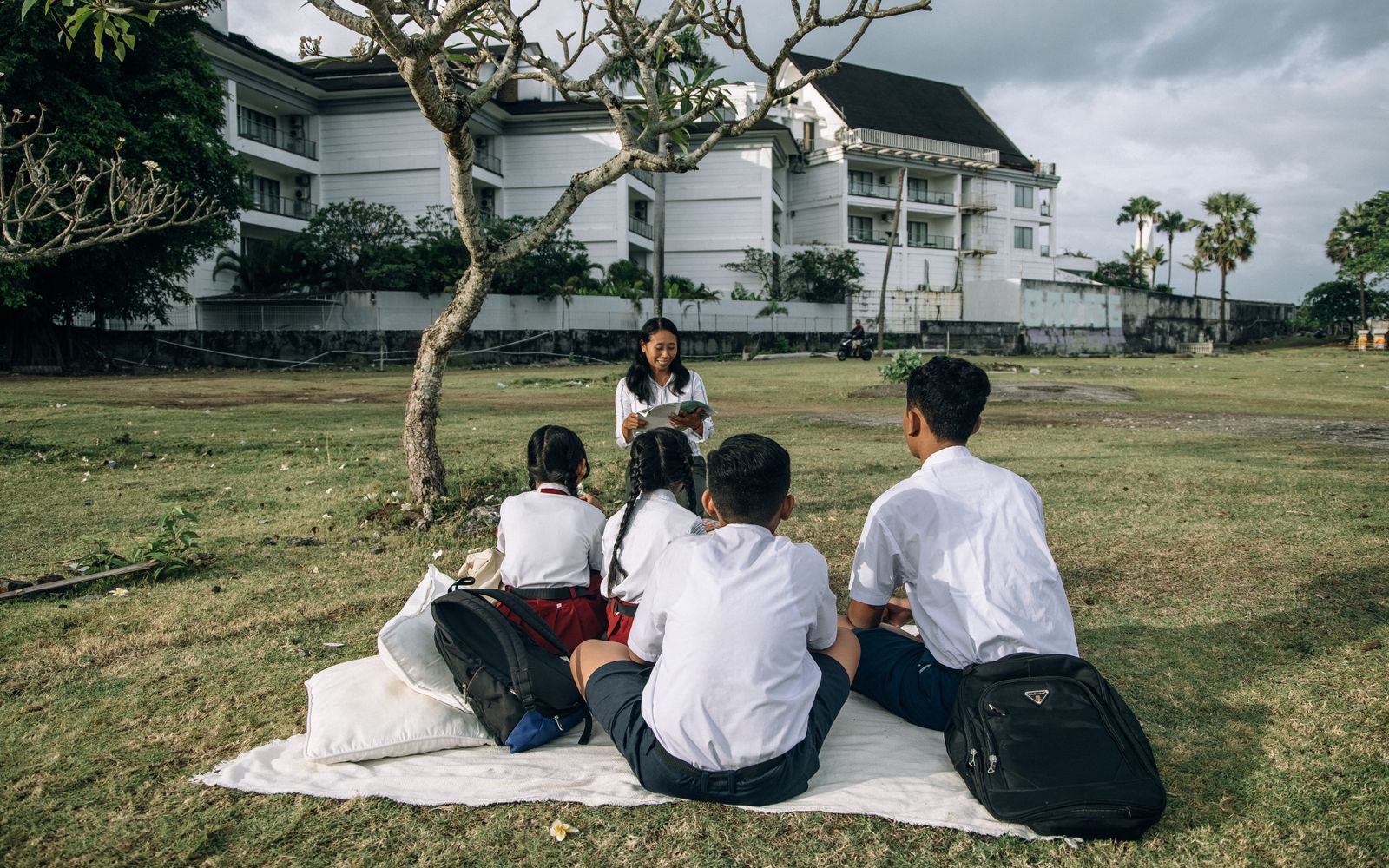
The IB Primary Years Programme (PYP) discourages homework and drills, so parents can support learning by reinforcing inquiry, using the child's own unit-of-inquiry work, and knowing when light practice helps versus when it conflicts with the school's philosophy. A 2025 International Baccalaureate Organization guide suggests taking an inquiry stance and focusing on the learning process rather than the product.
Why does my child's PYP school give no homework?
The PYP emphasises inquiry-based learning, where children explore concepts through questions and projects rather than repetitive exercises. Schools avoid homework to prioritise classroom collaboration and real-world connections. As the Strelitz International Academy notes in their 2025 parent guide, "Parents do not need to recreate the classroom at home." Instead, support comes through conversations and curiosity.
How do I know if my child is on track in the PYP?
PYP progress is measured through ongoing teacher observations, portfolios, and student-led conferences rather than tests. To gauge understanding:
- Ask your child to explain their current unit of inquiry in their own words
- Review their reflection journals or learning logs
- Attend school parent-teacher meetings with specific questions about conceptual grasp If concerns arise, talk to the teacher before introducing extra work. [This is general information, not medical or educational-psychology advice. Talk to your school or a qualified professional about your own child.]
Can I do extra practice without contradicting the school?
Yes, if it aligns with PYP principles. The International Baccalaureate Organization recommends in their 2025 guide:
- Using your child's actual schoolwork (like inquiry planner templates) as a basis
- Asking open-ended questions about their projects
- Having brief check-ins about what they're discovering Avoid separate worksheets or drills. Instead, build on their classroom inquiries with questions like "What made you curious about this?" or "How could we find out more?"
What home activities fit the PYP approach?
Simple, inquiry-led ideas from PYP schools include:
- Creating a "wonder wall" for questions your child wants to explore
- Using household items for hands-on experiments related to their unit
- Reading together and discussing connections to their inquiries As the AICS PYP Curriculum Handbook for Parents (2025) notes, "The most useful support is often simple."
How can I spot gaps without tests or grades?
Look for patterns in your child's schoolwork where they might need reinforcement:
- Photos of their inquiry work showing repeated confusion on a concept
- Teacher feedback about areas needing development
- Your child avoiding certain topics or saying "I don't get it" Tools like Beamli can help turn their actual schoolwork into targeted practice, as explained in our guide on finding learning gaps.
Common questions from parents
Is IB PYP a good program?
The PYP develops critical thinking and inquiry skills valued by international schools. Its strength is teaching children how to learn, though some families supplement basics if transitioning to more traditional systems later.
What are the 5 essential elements of PYP?
Concepts, knowledge, skills, attitudes, and action. At home, you might focus on one element, like helping your child apply their knowledge (action) or develop research skills.
What age group is PYP for?
Ages 3-12, covering early years through primary school. The approach shifts from play-based to more structured inquiry as children grow.
How is PYP different from Montessori?
Both are child-centred, but PYP is more structured around collaborative, curriculum-linked units of inquiry, while Montessori emphasises individual choice of hands-on materials.
Should I worry if my child is behind in basics?
PYP schools often teach reading and maths through inquiry, which can look different from traditional methods. If concerned, discuss with the teacher first. For more on this, see what to do if your child is behind.
Try reinforcing your child's current PYP unit with one question or activity this week.
Beamli turns your child's own schoolwork into a personalised study guide, flashcards and a marked practice worksheet. Your first guide is free: see how it works.