Bilingual child weak in English writing: spot the gaps
By Matthew Downie, parent and founder of Beamli · 29 August 2026
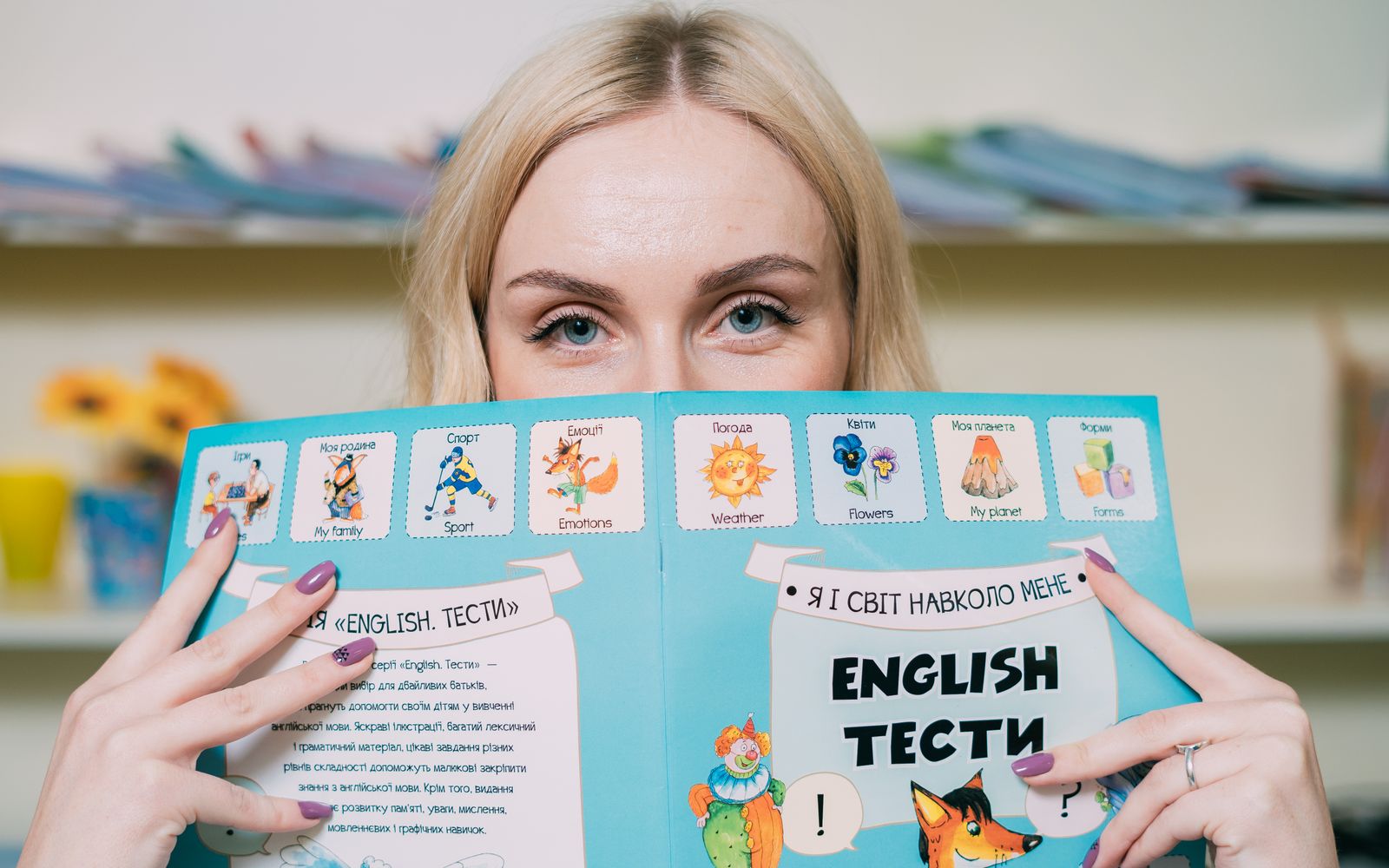
A bilingual child who speaks English well but writes weakly often understands the ideas but can't yet organise or express them clearly on paper. This shows as repeated words, missing details, grammar errors or incomplete work , separate from whether they grasp the subject itself. Focused writing practice with their actual schoolwork helps more than general language drills.
How can I tell if it's an English problem or a writing problem?
Look at their schoolwork across subjects. If they can explain science concepts or maths reasoning aloud but their written answers are brief or disorganised, the issue is likely written expression rather than subject understanding. Spelling and grammar mistakes alone don't necessarily mean weak English , bilingual children often mix language patterns normally as they learn.
Key signs it's writing, not language:
- Detailed verbal explanations but sparse written ones
- Correct answers orally but incomplete on paper
- Ideas jump around with no clear structure
What makes writing harder than speaking for bilingual children?
Writing requires simultaneously:
- Recalling vocabulary and grammar rules
- Structuring thoughts logically
- Physical handwriting or typing
- Following school formats (essays, worksheets)
A 2023 Springer review found bilingual learners may struggle more with writing than reading because it demands active production under time pressure. Speaking allows instant feedback and clarification; writing doesn't.
How can I help without overwhelming them?
Use their existing schoolwork to practice specific skills:
- Turn their verbal answers into written ones: "You explained that so clearly , let's write exactly what you said."
- Highlight one improvement at a time: "Today, let's add two more details to your answer."
- Show real examples: Compare their history note with a teacher's model to spot missing parts.
Tools like Beamli Scholars adapt their own worksheets into guided practice, focusing on their actual weak spots like connecting ideas or using subject-specific terms. See how it works at Beamli Scholars pricing.
Should I correct every mistake?
No. Prioritise clarity over perfection:
- Fix errors that change meaning (wrong verb tense)
- Ignore minor spelling slips if the point is clear
- Praise attempts: "You used three great science words here."
A 2024 Tessa International School blog notes that code-mixing (like Spanish-influenced spelling) is normal in bilingual development and reduces over time with exposure.
How do schools usually support this?
Teachers may:
- Provide writing frames (starter phrases)
- Allow verbal explanations first
- Mark for content separately from language
- Recommend targeted grammar practice
If gaps persist despite help, talk to their teacher about whether it's typical bilingual progression or needs further assessment. This is general information, not medical or educational-psychology advice. Talk to your school or a qualified professional about your own child.
Common questions from parents
Is this a sign of dyslexia?
Bilingual children are no more likely to have dyslexia, but it can be harder to identify across languages. Persistent difficulty recognising words or letter sounds in both languages warrants professional assessment.
Do bilingual children learn writing slower?
They may take longer to reach the same level as monolingual peers in each language, but often catch up by secondary school. A 2023 study found strong oral skills in either language support eventual writing fluency.
Will more English tutoring help?
Generic language lessons often miss the specific school writing tasks they find hard. Focused practice with their actual history answers or science reports targets the real gaps. For alternatives to generic tutoring, see tutoring expat kids Bali.
How can I check progress?
Compare their current work with older pieces monthly. Look for:
- Longer, more detailed answers
- Fewer meaning-blocking errors
- Clearer structure without prompting
For a free way to start, Beamli's first study guide adapts your child's own notes into a writing skills checklist.
Beamli turns your child's own schoolwork into a personalised study guide, flashcards and a marked practice worksheet. Your first guide is free: see how it works.