
My 7-year-old is behind in reading: what actually helps
By Matthew Downie, parent and founder of Beamli · 23 July 2026
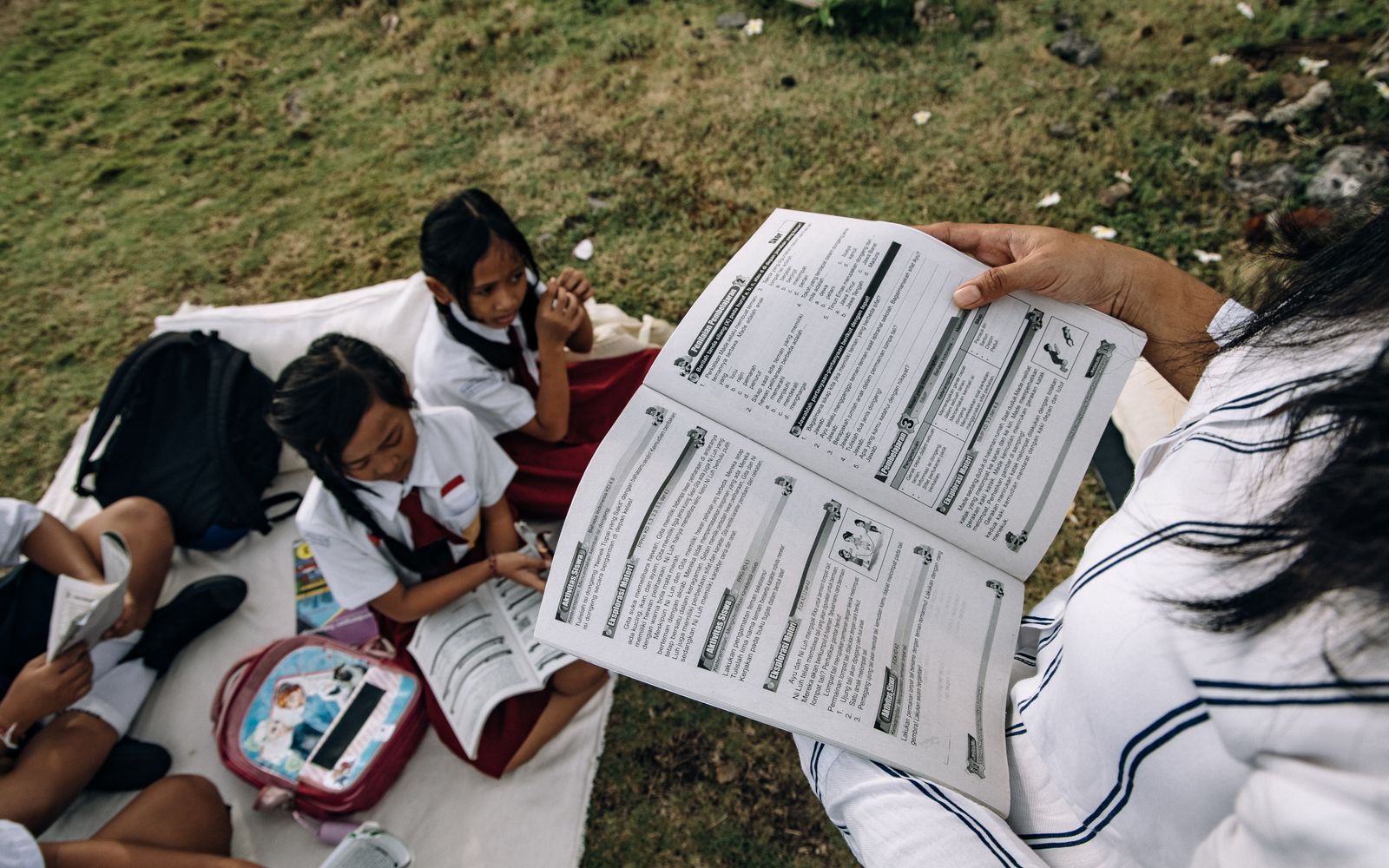
If your 7-year-old is behind in reading, the first step is to understand exactly where they're stuck. Children develop at different paces, but targeted help with phonics, fluency, or comprehension, based on their own schoolwork, can bridge gaps without overwhelming them. A 2024 National Center for Education Statistics study found 1 in 5 U.S. fourth-graders read below basic level, so early intervention matters.
Is it normal for a 7-year-old to not read fluently yet?
Reading fluency varies widely at this age. Some 7-year-olds read chapter books independently, others still sound out simple words. The key is progress, not perfection. If your child can recognise most letters, blend simple sounds (like c-a-t), and recall a few sight words (the, and), they're on track. If they avoid reading altogether or guess wildly at words, it's time to investigate.
How far behind is actually a problem?
A 2019 National Center for Education Statistics study found children with low reading fluency at age 7 were 2.5 times more likely to struggle with comprehension by age 10. Look for:
- Difficulty blending sounds (struggles with "dog" after sounding out d-o-g)
- Frequent word guessing (says "house" for "home")
- Slow, choppy reading even with familiar texts If these persist despite regular practice, talk to their teacher.
How do I find out exactly where they're stuck?
Their schoolwork holds clues. Try this with a recent worksheet or book:
- Phonics: Ask them to read aloud words with similar patterns (hop, top, mop). Do they sound out each letter or guess?
- Fluency: Time them reading 50 familiar words. The benchmark is about 60 correct words per minute.
- Comprehension: After reading, ask "What happened first? What might happen next?"
Beamli can turn these observations into a personalised study plan. Upload a photo of their schoolwork, and we'll create a reading-focused study guide that targets their specific gaps. Try it free with their latest worksheet.
How do I help without making them hate reading?
Keep it short, positive, and tied to their interests:
- 5-minute drills: Practice tricky letter sounds or sight words with a timer to make it feel like a game.
- Shared reading: Take turns reading pages of a high-interest book (dinosaurs, jokes). You read the hard bits.
- Real-world texts: Menus, road signs, or game instructions build confidence.
Our interactive flashcards adapt to your child's pace, reinforcing words they struggle with more often, without them noticing the repetition.
When should I seek extra help?
Consider talking to their teacher or a professional if:
- They resist reading despite varied approaches
- You notice letter reversals (b/d) beyond age 8
- There's a family history of dyslexia (affects 5-17.5% of people, per the International Dyslexia Association) This is general information, not medical or educational-psychology advice. Talk to your school or a qualified professional about your own child.
Common questions from parents
What reading level should a 7-year-old be at?
Most read simple books with short sentences (like Oxford Level 4-5 or US Grade 1-2). But levels vary by curriculum and language. Compare to their class peers, not generic charts.
Are there signs of dyslexia at 7?
Possible signs include trouble rhyming, confusing similar words ("felt" for "left"), or slow recall of letter sounds. Only a specialist can diagnose, so consult your school if concerned.
Do flashcards help?
Yes, for sight words and phonics if they're quick and fun. Use pictures or your child's drawings to link words to meaning (draw a "jump" card together).
How much should a 7-year-old read daily?
Aim for 15-20 minutes of combined reading aloud, shared reading, and independent practice. Break it into chunks if needed.
Start with a free study guide from their latest schoolwork to see exactly where to focus.
Beamli turns your child's own schoolwork into a personalised study guide, flashcards and a marked practice worksheet. Your first guide is free: see how it works.